
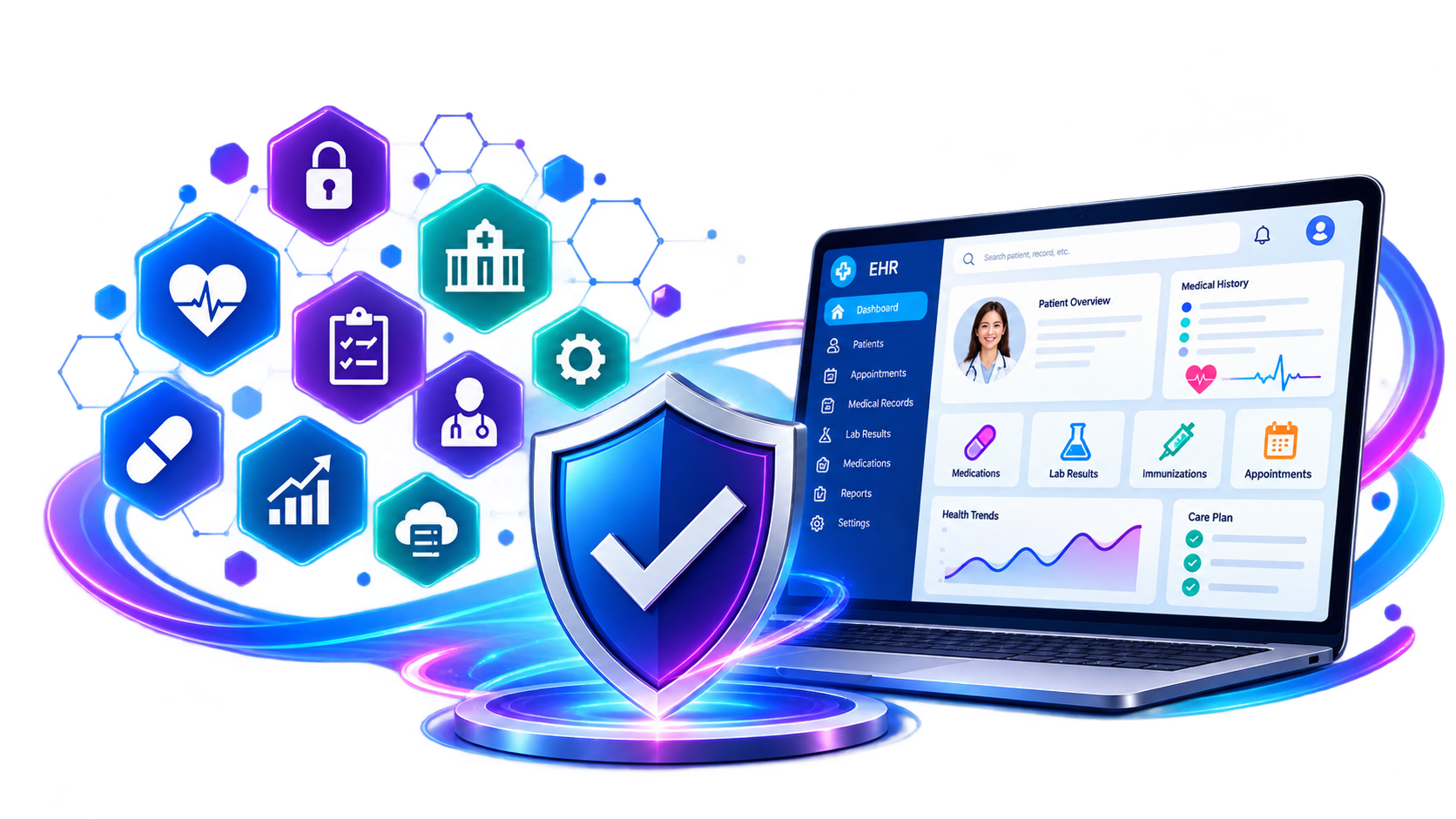
In 2026, the EHR industry is experiencing a compliance-first transformation. What was once seen as a regulatory burden has now become the driving force behind innovation. Hospitals, practices, and health systems are adopting platforms that embed compliance into every workflow, ensuring resilience against audits, payer scrutiny, and global regulations.
Agastha EHR stands out in this wave by combining compliance-driven design with patient-centric usability. Its cloud-based architecture and interoperability features make it a trusted choice for providers who want both regulatory assurance and streamlined workflows.
Compliance in healthcare is not just a legal obligation - it is a moral, ethical, and strategic necessity. By embedding compliance into EHR platforms and workflows, organizations can deliver safer, higher-quality care while protecting patient data and strengthening trust.
For Patients -> Compliance builds trust, ensuring patients feel safe sharing sensitive health information, which leads to better diagnoses and outcomes (HIPAA Journal).
- It also guarantees privacy protection under HIPAA (Health Insurance Portability and Accountability Act) - a U.S. law that governs the security and confidentiality of patient health information - and GDPR (General Data Protection Regulation) - the European Union's framework that ensures transparency, consent, and accountability in personal data processing. Together, these regulations reduce the risk of data breaches and strengthen global trust in healthcare systems. Patients benefit from consistent care quality, as compliance enforces standardized clinical practices.
For Providers -> Compliance reduces legal risks, prevents costly penalties, and strengthens organizational reputation while improving care quality (HIPAA Journal).
- It ensures audit readiness, protecting providers during CMS and payer reviews.
- Compliance frameworks improve workflow efficiency, aligning documentation with regulatory standards
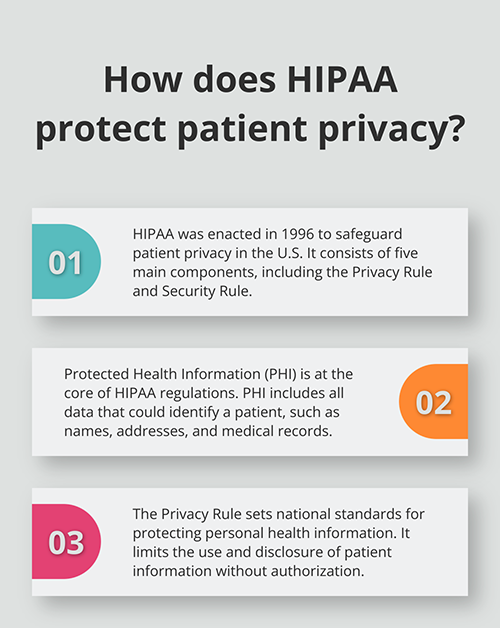
* 2 ScribeJoy
In 2026, compliance features have become the primary drivers of EHR adoption. Hospitals and practices are no longer satisfied with systems that simply meet certification requirements; they demand platforms that deliver real-world compliance performance. Audit-ready documentation ensures every clinical step is verifiable, protecting providers during CMS and payer reviews.
Governance and traceability mechanisms guarantee that system updates remain compliant, while interoperability standards such as FHIR and TEFCA enable secure data exchange across networks. The most transformative development is AI-driven compliance monitoring, which allows predictive audits and automated risk detection, turning regulation into a proactive advantage rather than a reactive burden.
Agastha EHR exemplifies this shift by embedding compliance into its cloud-based architecture. Its platform supports interoperability with TEFCA and FHIR standards, ensuring seamless data exchange across networks. Agastha also integrates AI-driven compliance alerts, helping providers stay ahead of regulatory risks while maintaining patient-centric usability*3.
Agastha addresses compliance based challenges by offering modular solutions that scale with provider needs. Its practice management suite reduces documentation burden through automation, while its cloud deployment model lowers infrastructure costs, making compliance more accessible to small and mid-sized practices.
The compliance wave in 2026 is reshaping EHR platforms into governance-first systems. Far from being a checkbox exercise, compliance is now a strategic advantage - enabling hospitals to reduce risk, improve interoperability, and prepare for the future of AI-driven healthcare.
By embracing platforms like Agastha, Epic, Oracle Cerner, MEDITECH, and athenaOne, healthcare organizations can transform compliance from a burden into a competitive edge. Agastha's unique blend of compliance-driven design, patient-centric usability, and cost-effective scalability positions it as a strong contender for providers seeking both regulatory assurance and operational efficiency.
- *1 Alder,S (2025). Why is Compliance Important in Healthcare?. HIPAA journal. Why is Compliance Important in Healthcare ?
- *2 ScribeJoy (2025). Understanding HIPAA and Its Significance in Medical Transcription.HIPAA Confidentiality Rules for Medical Transcription - ScribeJoy - AI Powered Medical Transcription
- *3 TEFCA (2026). What Is the Trusted Exchange Framework and Common Agreement?. Trusted Exchange Framework and Common Agreement - ONC TEFCA RCE